


26 Mar How to Prevent Dental Disease in Dogs and Cats (What Actually Works)
Dental disease is one of the most common conditions we see in veterinary medicine, and the reality is that most of it is preventable.
At EastOver Veterinary, we focus heavily on dog dental care and cat dental care because we know how much of a difference it makes. Preventing dental disease doesn’t just improve breath or keep teeth clean. It reduces pain, improves behavior, and helps protect long-term health.
The goal isn’t perfection. It’s consistency and knowing what actually works.
Why Preventing Dental Disease Matters
When we talk about veterinary dentistry, we’re not just talking about cleaning teeth. We’re talking about preventing disease that can affect the entire body.
Dental disease creates chronic inflammation in the mouth. Over time, that inflammation can:
- Lead to infection under the gumline
- Cause pain that pets often hide
- Contribute to heart, kidney, and liver issues
- Change behavior due to discomfort
One of the biggest challenges is that many pets don’t show obvious signs early on. By the time we see visible tartar or bad breath, there’s often more going on beneath the surface.
That’s why prevention matters.
The #1 Best Way to Prevent Dental Disease in Pets
If you can only do one thing at home:
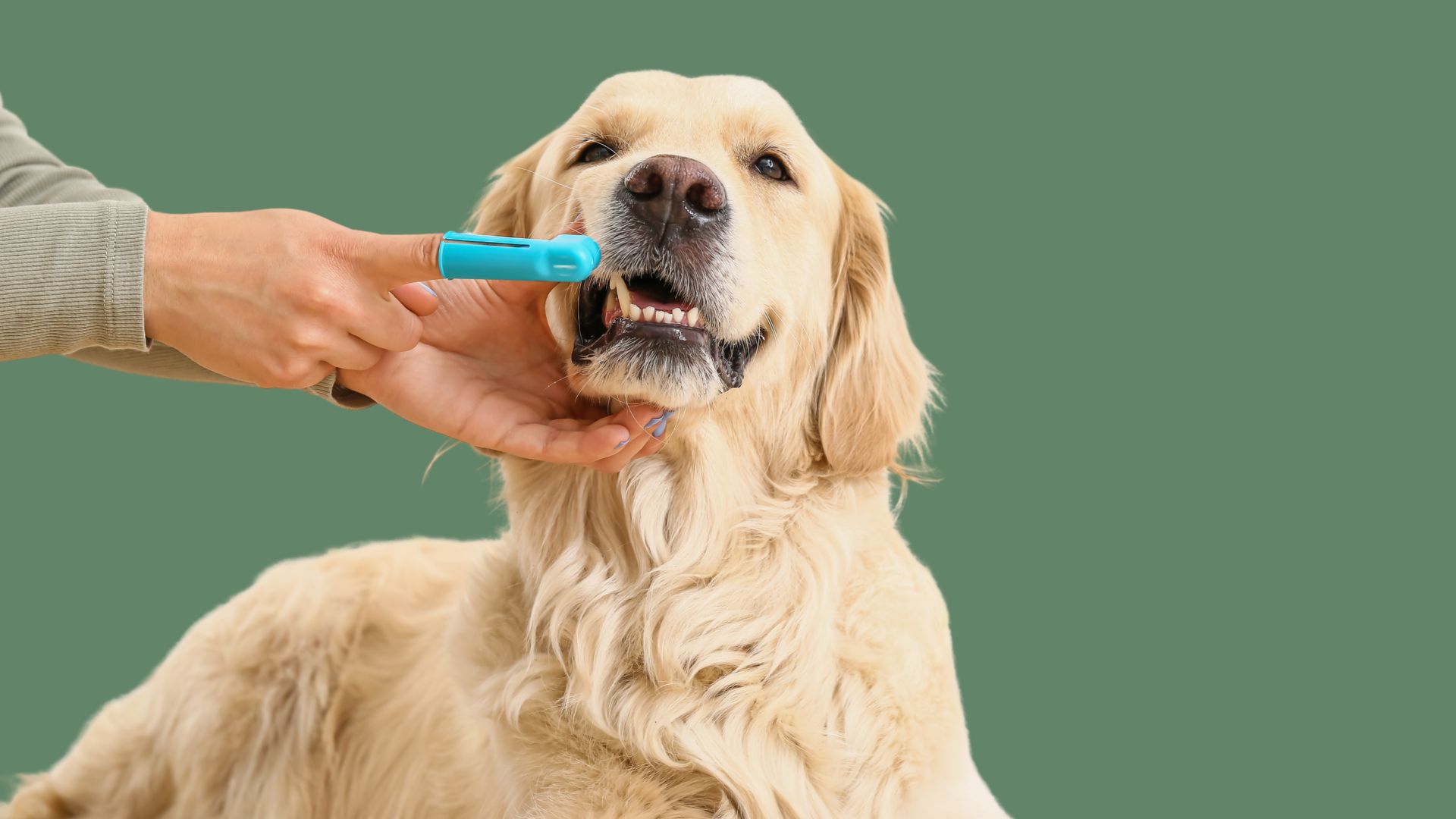
Brush your pet’s teeth.
This is, without question, the most effective way to prevent dental disease in dogs and cats.
The American Veterinary Dental Association recommends brushing at least three times per week, and ideally daily. The more often you brush, the more effective it is at removing plaque before it turns into tartar.
What works best:
- A soft-bristled toothbrush or finger brush
- Pet-safe toothpaste (never human toothpaste)
- Consistency over perfection
If you’re brushing once or twice a month, you’re likely not getting much benefit. But even small improvements in consistency can make a noticeable difference over time.
Dental Products That Actually Help (And Which Ones Don’t)
There are a lot of products marketed for pet dental care, and not all of them are created equal.
What we recommend
Look for products approved by the Veterinary Oral Health Council (VOHC). These products have been evaluated and shown to reduce plaque and tartar.
Examples include:
- Dental-specific diets
- Certain dental chews (like Greenies or similar VOHC-approved products)
- Enzymatic dental products
These can be especially helpful for pets that won’t tolerate brushing.
What to be cautious with
Water additives and some over-the-counter products are heavily marketed, but they don’t always address the core problem.
Some may help reduce bacteria in the mouth, but they:
- Don’t remove tartar effectively
- May contain ingredients that aren’t ideal for every pet
If you’re considering adding something new, it’s always worth checking with your veterinarian first.
Chews, Toys, and Diet: What Helps vs. What Hurts
When it comes to the health and happiness of our pets, understanding the role of chews, toys, and diet is crucial. Chews and toys serve not only as a source of entertainment but also play an important role in dental health. Appropriate chew items can help reduce plaque and tartar buildup, while promoting gum health. Natural options like rawhide, antlers, or rubber toys are often recommended, as they are durable and can satisfy a pet’s urge to chew, thereby enhancing their overall well-being. However, it’s vital to choose products that are safe and designed for your pet’s size and chewing strength. On the flip side, certain chews, especially those that are overly hard or contain harmful additives, can lead to broken teeth or gastrointestinal blockages, so pet owners should remain vigilant about their selections.
On the dietary front, providing a balanced and nutritious diet is foundational for maintaining a pet’s health. Quality pet foods that contain appropriate levels of protein, fats, and carbohydrates are essential for supporting energy levels, immune function, and overall vitality. It’s important to be cautious of feeding your pet human food or treats that might seem harmless; for instance, some foods like chocolate, grapes, and onions are toxic to pets. Moreover, excessive treats, regardless of their nature, can lead to obesity and other health issues. Understanding which foods and treats contribute positively to your pet’s health versus those that may be harmful is key for any responsible pet owner. By prioritizing safe and beneficial chews, toys, and dietary choices, we can ensure that our furry companions lead happy and healthy lives.
Helpful options
- VOHC-approved dental chews
- Textured dental diets
- Chews that encourage prolonged chewing
These can help reduce plaque through mechanical action.
What to avoid
Hard items like:
- Bones
- Antlers
- Extremely hard chew toys
We commonly see fractured teeth from these. Dogs have strong jaws, and their teeth are not designed to handle that level of force repeatedly. A fractured tooth can lead to pain and infection that ultimately requires surgical treatment.
How Often Should You Have Your Pet’s Teeth Checked?
Even with great home care, most pets still need professional dental evaluations.
We typically recommend:
- 1 to 2 veterinary exams per year
- Dental cleanings as needed based on disease progression
Every pet is different. Some dogs, especially smaller breeds, develop dental disease more quickly because their teeth are more crowded. Cats can develop specific conditions like resorptive lesions that require professional evaluation.
The key is catching problems early before they become more serious.
Signs You Might Be Falling Behind on Dental Care
Even with prevention, it’s important to watch for signs that your pet may already have dental disease:
- Bad breath
- Dropping food
- Chewing on one side
- Pawing at the mouth
- Avoiding hard food or treats
- Sensitivity when touching the face
If you’re noticing any of these, it’s worth scheduling an exam. These are often signs of pain, even if your pet is still eating.
Why Prevention Still Matters (Even If Your Pet Needs a Dental)
A common misconception is that once a pet needs a dental cleaning, prevention doesn’t matter as much.
In reality, prevention becomes even more important after a dental procedure.
Once we’ve cleaned the teeth and addressed disease:
- Brushing helps slow the return of plaque
- Dental products help maintain oral health
- Regular monitoring helps us catch issues early
The goal is to extend the time between dental procedures and keep your pet comfortable long-term.
Our Approach to Preventative Veterinary Dentistry
At our clinic, we believe that preventative veterinary dentistry is essential for the overall health and well-being of pets. Just like humans, pets can experience a range of dental issues, including periodontal disease, gum inflammation, and tooth decay. These problems not only affect their oral health but can also lead to more serious systemic conditions if left untreated. Our approach emphasizes regular dental check-ups and comprehensive dental cleanings, which allow us to identify potential issues early on and address them before they escalate. By prioritizing preventative care, we aim to enhance your pet’s quality of life and extend their longevity.
Our preventative dentistry program includes education for pet owners about proper at-home dental care techniques, such as brushing and dietary choices that promote oral health. We provide tailored dental care plans based on each pet’s unique needs, which may include the use of dental treats, water additives, or specialized foods. Additionally, we stress the importance of routine dental assessments during annual exams, where we can monitor changes in your pet’s oral cavity over time. By taking a proactive approach to your pet’s dental health, we strive to create a solid foundation for their overall wellness—because a healthy mouth leads to a healthier, happier life.
At EastOver Veterinary, we take a proactive approach to pet dental care.
We focus on:
- Early detection of dental disease
- Education on what actually works at home
- Individualized care plans for each pet
- Preventing problems before they become painful
Every pet is different, and prevention isn’t one-size-fits-all. Our goal is to help you build a realistic plan that works for your lifestyle and keeps your pet healthy.
FAQ
How often should I brush my dog’s teeth?
At least 3 times per week, ideally daily.
Is brushing really necessary for cats?
Yes. Cats can develop significant dental disease, and brushing is still the most effective prevention method.
Do dental chews replace brushing?
No. They can help, but they are not as effective as brushing.
Are water additives enough to prevent dental disease?
Not on their own. They may help reduce bacteria but do not remove tartar.
Do all pets need professional dental cleanings?
Most do at some point. Prevention helps reduce frequency and severity.
Sorry, the comment form is closed at this time.